
The Best Peptides for Gut Repair and Inflammation
- Connie Fox – Gut Fixer
- May 16
- 4 min read
Updated: Jun 17
This article has not been written yet. Stress is an unavoidable part of life, but its impact on our health can be profound, particularly when it comes to our gut. The connection between stress and gut health is increasingly recognized in the medical community, and understanding this relationship can help us develop effective strategies for repair and recovery. In this post, we will explore how stress affects the gut, identify key repair strategies, and provide practical tips to improve your gut health.
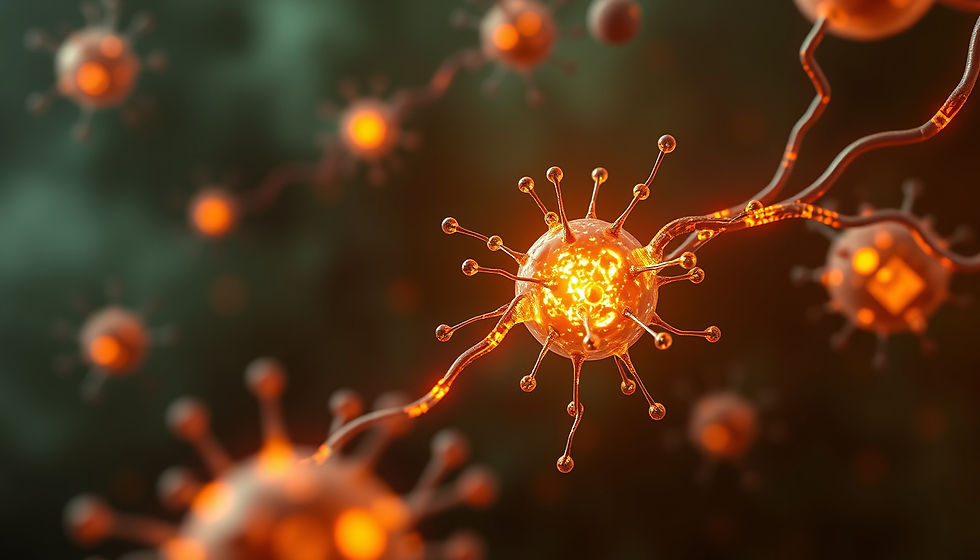
Understanding the Gut-Brain Connection
The gut and brain are intricately linked through a complex communication network known as the gut-brain axis. This connection means that what happens in your gut can significantly affect your mental state and vice versa. Stress can disrupt this balance, leading to various gastrointestinal issues such as bloating, diarrhea, constipation, and even conditions like irritable bowel syndrome (IBS).
How Stress Affects Gut Health
Hormonal Changes: When you experience stress, your body releases hormones like cortisol and adrenaline. These hormones can alter gut motility and increase gut permeability, leading to a condition often referred to as "leaky gut."
Altered Gut Microbiota: Stress can negatively impact the diversity and composition of gut bacteria. A healthy gut microbiome is essential for digestion, immune function, and even mental health. Stress can lead to an imbalance, promoting harmful bacteria over beneficial ones.
Inflammation: Chronic stress can lead to increased inflammation in the gut, which can exacerbate existing gastrointestinal conditions and contribute to new ones.
Behavioral Changes: Stress often leads to unhealthy coping mechanisms, such as overeating, consuming unhealthy foods, or neglecting physical activity. These behaviors can further harm gut health.
Key Repair Strategies for Gut Health
To mitigate the effects of stress on your gut, consider implementing the following strategies:
1. Mindful Eating
Practicing mindful eating can help you reconnect with your body’s hunger cues and improve digestion. Here are some tips:
Slow Down: Take time to chew your food thoroughly and savor each bite. This practice aids digestion and allows you to recognize when you are full.
Limit Distractions: Avoid eating while watching TV or scrolling through your phone. Focus on your meal to enhance your eating experience.
2. Incorporate Probiotics and Prebiotics
Probiotics are beneficial bacteria that can help restore balance in your gut microbiome. Prebiotics, on the other hand, are fibers that feed these good bacteria. Here’s how to include them in your diet:
Probiotic Sources: Yogurt, kefir, sauerkraut, kimchi, and kombucha are excellent sources of probiotics.
Prebiotic Foods: Foods like garlic, onions, bananas, and asparagus contain prebiotics that support gut health.
3. Manage Stress Effectively
Finding effective ways to manage stress is crucial for gut health. Consider these techniques:
Exercise Regularly: Physical activity can help reduce stress hormones and promote the release of endorphins, which improve mood.
Practice Relaxation Techniques: Activities such as yoga, meditation, and deep breathing exercises can help calm the mind and reduce stress levels.
4. Stay Hydrated
Drinking enough water is essential for maintaining gut health. Proper hydration aids digestion and helps prevent constipation. Aim for at least eight 8-ounce glasses of water daily, adjusting based on your activity level and climate.
5. Get Enough Sleep
Quality sleep is vital for overall health, including gut health. Lack of sleep can increase stress levels and disrupt the gut microbiome. Aim for 7-9 hours of sleep each night and establish a consistent sleep routine.
6. Limit Processed Foods
Highly processed foods can negatively impact gut health. These foods often contain additives, preservatives, and unhealthy fats that can disrupt the gut microbiome. Focus on whole, nutrient-dense foods such as:
Fruits and vegetables
Whole grains
Lean proteins
Healthy fats
7. Consider Supplements
If you struggle to get enough probiotics and prebiotics from your diet, consider taking supplements. Consult with a healthcare professional to determine the best options for your needs.
The Role of Nutrition in Gut Repair
Nutrition plays a critical role in repairing and maintaining gut health. Here are some specific nutrients to focus on:
Omega-3 Fatty Acids
Omega-3 fatty acids have anti-inflammatory properties that can help reduce gut inflammation. Sources include:
Fatty fish (salmon, mackerel, sardines)
Flaxseeds
Chia seeds
Walnuts
Fiber
A high-fiber diet supports healthy digestion and promotes a diverse gut microbiome. Aim for a variety of fiber sources, including:
Whole grains (brown rice, quinoa, oats)
Legumes (beans, lentils, chickpeas)
Fruits and vegetables
Antioxidants
Antioxidants help combat oxidative stress and inflammation in the gut. Foods rich in antioxidants include:
Berries (blueberries, strawberries, raspberries)
Dark chocolate
Nuts and seeds
Leafy greens
Lifestyle Changes for Long-Term Gut Health
In addition to dietary changes, consider these lifestyle modifications to support long-term gut health:
1. Establish a Routine
Creating a daily routine can help regulate your body’s natural rhythms, including digestion. Try to eat meals at the same time each day and maintain a consistent sleep schedule.
2. Limit Alcohol and Caffeine
Both alcohol and caffeine can irritate the gut and disrupt digestion. If you consume these substances, do so in moderation and pay attention to how they affect your gut health.
3. Avoid Smoking
Smoking is detrimental to gut health and can increase the risk of gastrointestinal diseases. If you smoke, seek support to quit.
4. Stay Connected
Social connections can help reduce stress and improve mental health. Engage in activities that foster relationships, such as joining clubs, volunteering, or spending time with friends and family.
Conclusion
Stress can have a significant impact on gut health, but by implementing these key repair strategies, you can take control of your well-being. Focus on mindful eating, managing stress, and nourishing your body with the right foods. Remember, improving gut health is a journey, and small, consistent changes can lead to lasting benefits. Start today by incorporating one or two strategies into your routine, and watch your gut health improve over time.


Comments